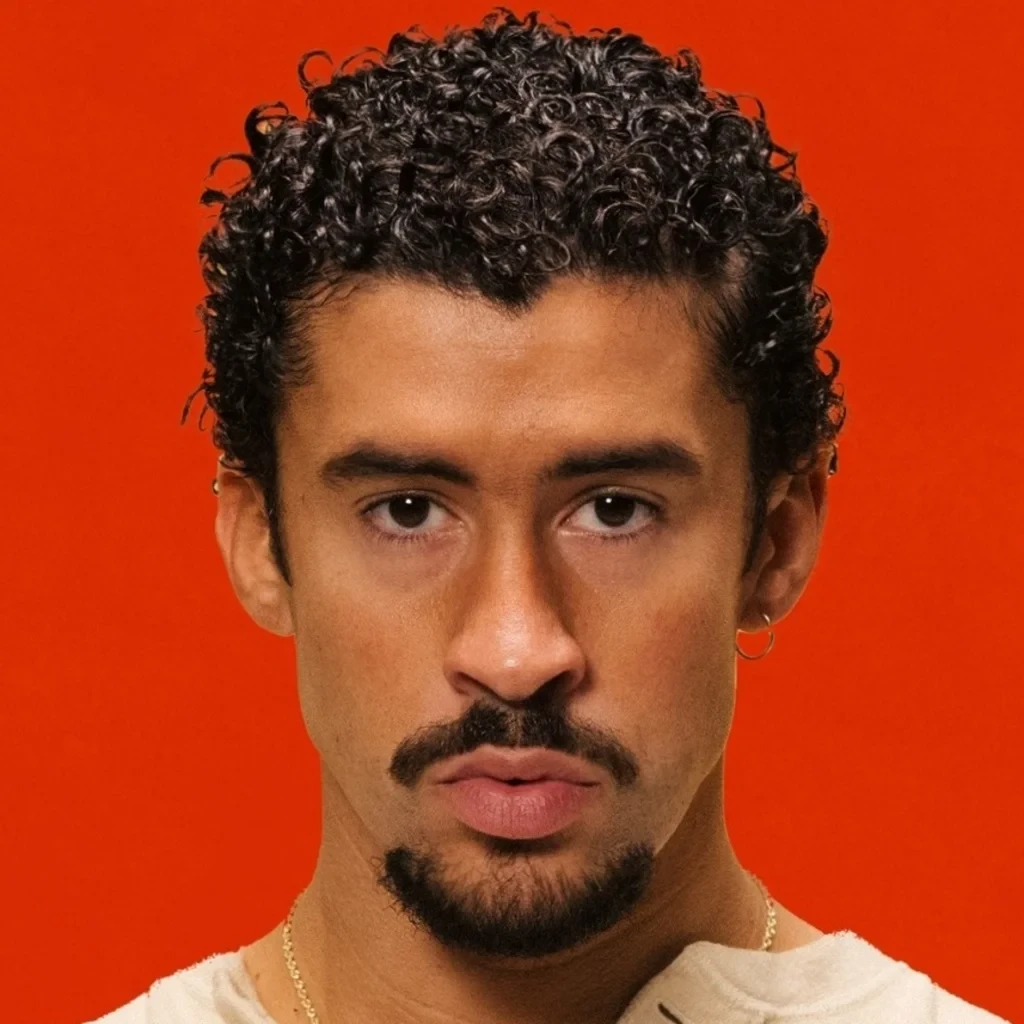
Front
Side
Bad Bunny
male·66 ratios · Facial harmony analysis
Overall
4.4
Bottom 41%·Slightly below average harmony
Front
4.0
Bottom 28%
Side
5.1
Top 49%
Ratio breakdown
66Side profile
Strengths
2010.0
Ideal jaw width
This contributes to a pleasant jaw contour due to the jaw being neither too wide nor too narrow.
10.0
Harmonious face shape
This contributes to a harmonious face shape due to the face being neither too short nor too long.
10.0
Well-positioned cheekbones
This contributes to a harmonious cheek region; the cheekbones are high-set and provide structural support to the midface.
10.0
Ideal forehead width
This contributes to a pleasant forehead contour due to the forehead being neither too wide nor too narrow.
10.0
Ideal upper forehead slope
This contributes to a pleasant upper forehead contour by indicating that the upper forehead slopes at an ideal angle.
10.0
Ideal eye tilt
This contributes to a harmonious eye region due to the eyes being neither too upturned nor too downturned.
10.0
Balanced eyebrow tilt
This contributes to a harmonious eye region due to the eyebrows being tilted neither too upward nor too downward.
10.0
Ideal eyebrow length
This contributes to a harmonious eye region due to the eyebrows having ideal horizontal length relative to face width.
10.0
Ideal neck width
This contributes to a harmonious lower face due to the neck being neither too wide nor too thin.
10.0
Ideal nose bridge width
This contributes to a harmonious nasal profile due to the nose bridge being neither too wide nor too narrow.
10.0
Harmonious facial convexity
This contributes to a pleasant facial profile by indicating balanced curvature; the facial profile is neither too flat nor too curved.
9.6
Balanced brow ridge
This contributes to a pleasant upper face due to the brow ridge being neither too harsh or soft.
9.6
Well-projected chin
This contributes to a harmonious lower face due to the chin sitting neither too far forward nor too far back.
9.5
Well-projected nose
This indicates optimal forward projection relative to nasal height and facial structure.
9.5
Well-contoured orbital region
This contributes to a harmonious midface due to the area around the eyes having sufficient volume and projection.
9.4
Balanced nasal profile
This contributes to a harmonious midface due to the nose having a balanced shape and projection.
9.4
Excellent maxillary projection
This contributes to a pleasant midface projection by indicating that the upper jaw is not overly projected or recessed.
9.4
Excellent cupid's bow depth
This contributes to a harmonious lip region due to the cupid's bow having ideal definition and depth.
9.2
Well-positioned eyebrows
This contributes to a harmonious eye region due to the eyebrows being positioned neither too high nor too low.
9.5
Additional Strengths
9 ratios showing strong performance but not fitting into specific categorized strengths.
Areas for improvement
2013.3%
Long midface
The middle of the face is elongated, creating an unbalanced vertical proportion.
13.3%
Long nose
The nose is too long vertically, unbalancing the midface proportions.
7.9%
Steep jaw
The jaw angles sharply downward, creating a narrow or pointed chin effect.
7.6%
Close-set eyes
The eyes are positioned too close together, reducing midface balance.
6.3%
Weak/soft jaw structure
The jaw has a softer, rounder shape, often less angular and robust than the ideal.
4.8%
Wide nose
The nose is too broad, creating an unbalanced facial appearance.
4.0%
Round neck region
The neck lacks angularity, appearing soft and undefined in the profile view.
3.8%
Overly protruded upper lip
The upper lip extends too far forward, disrupting facial harmony.
3.8%
Overly full upper lip
The upper lip is excessively thick, creating disproportionate lip proportions.
3.0%
Droopy nose
The nose droops downward, creating an unbalanced nasal profile.
2.9%
Narrow mouth
The mouth is too slim, reducing expressiveness and facial proportion.
2.0%
Protruded ears
The ears protrude excessively from the head, creating an unbalanced profile appearance.
1.8%
Disproportionate lower face (short chin or long philtrum)
The chin appears too short relative to the philtrum, OR the philtrum appears too long relative to the chin. Since we measure ratios rather than absolute lengths, these two conditions cannot be distinguished and represent the same proportional imbalance in the lower face.
1.4%
Long middle third
The midface is too tall, elongating the central face.
1.3%
Short top third
The upper face (forehead) is too short, reducing vertical balance.
1.3%
Overly round eye shape
The eyes appear excessively round.
1.2%
Overly rounded and undefined nasal tip
The nose tip is too round, lacking sharpness and definition.
1.2%
Disharmonious midface and jaw alignment
The midface and jaw shapes do not align, reducing facial harmony.
0.4%
Overly flat forehead appearance
The forehead is too flat, lacking natural curvature and prominence.
4.5%
Minor Proportional Variations
7 ratios showing minor proportional variations that contribute to overall harmony score.
Similar harmony
6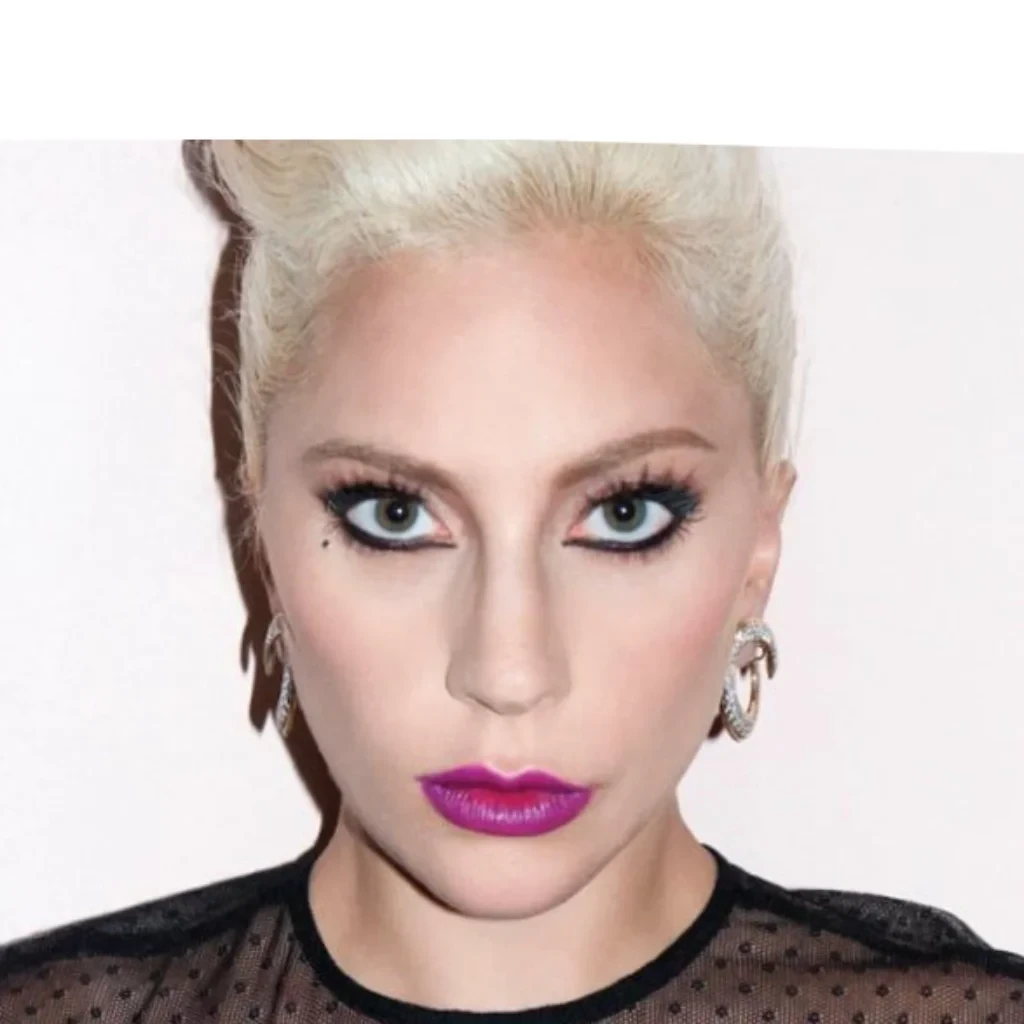
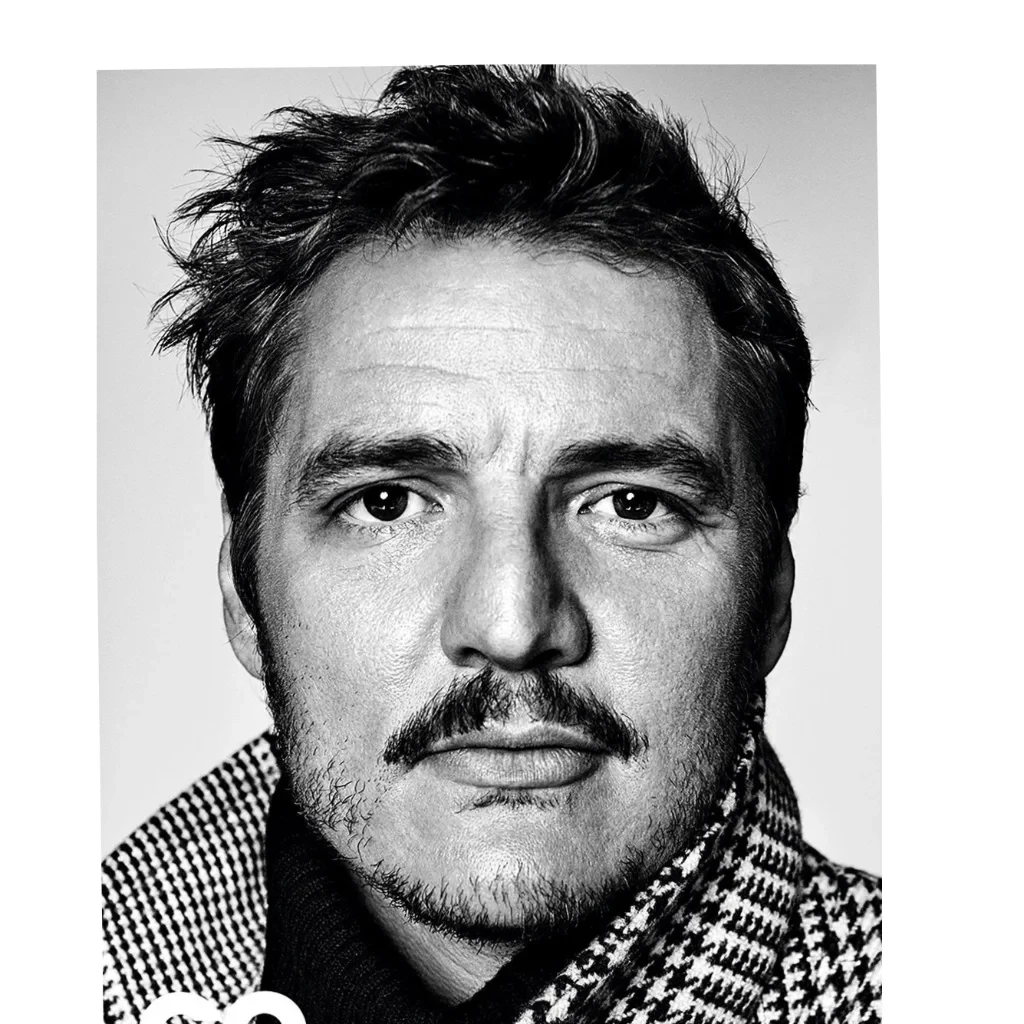
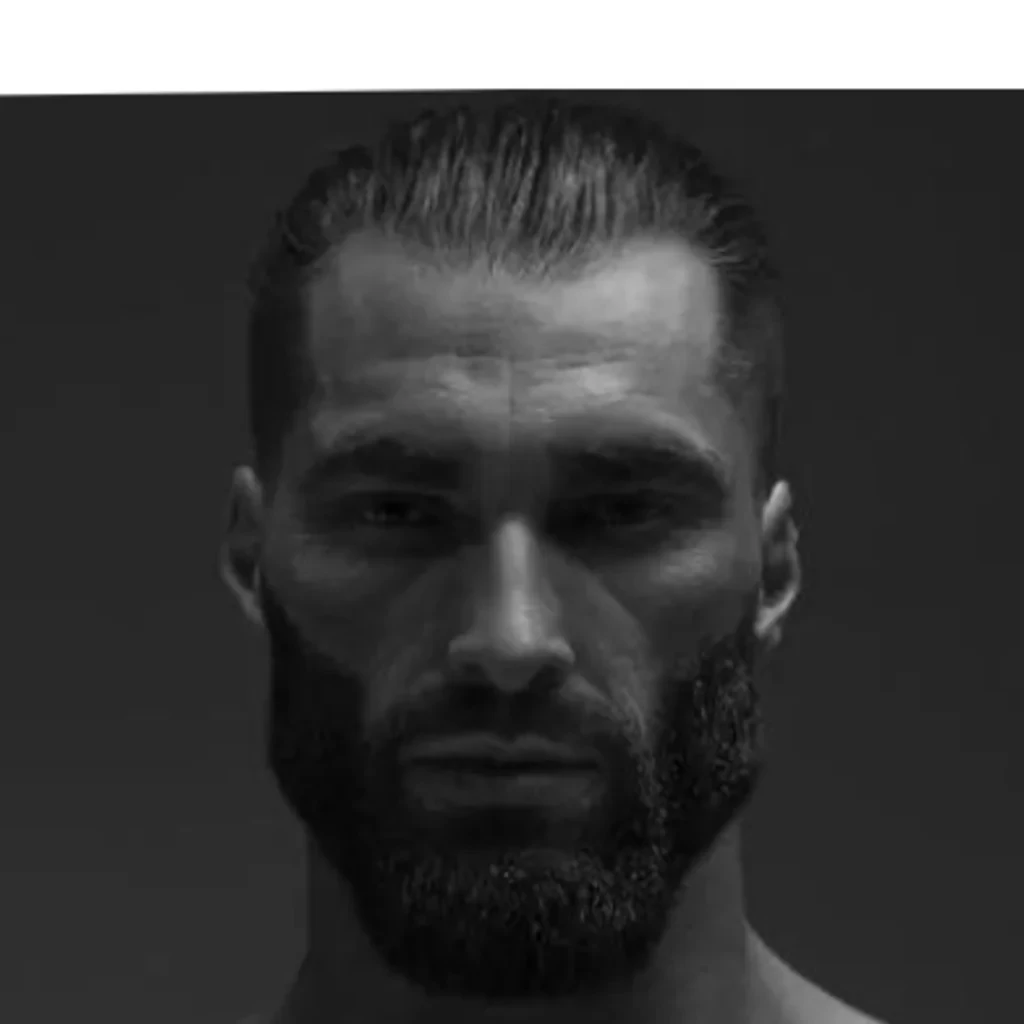
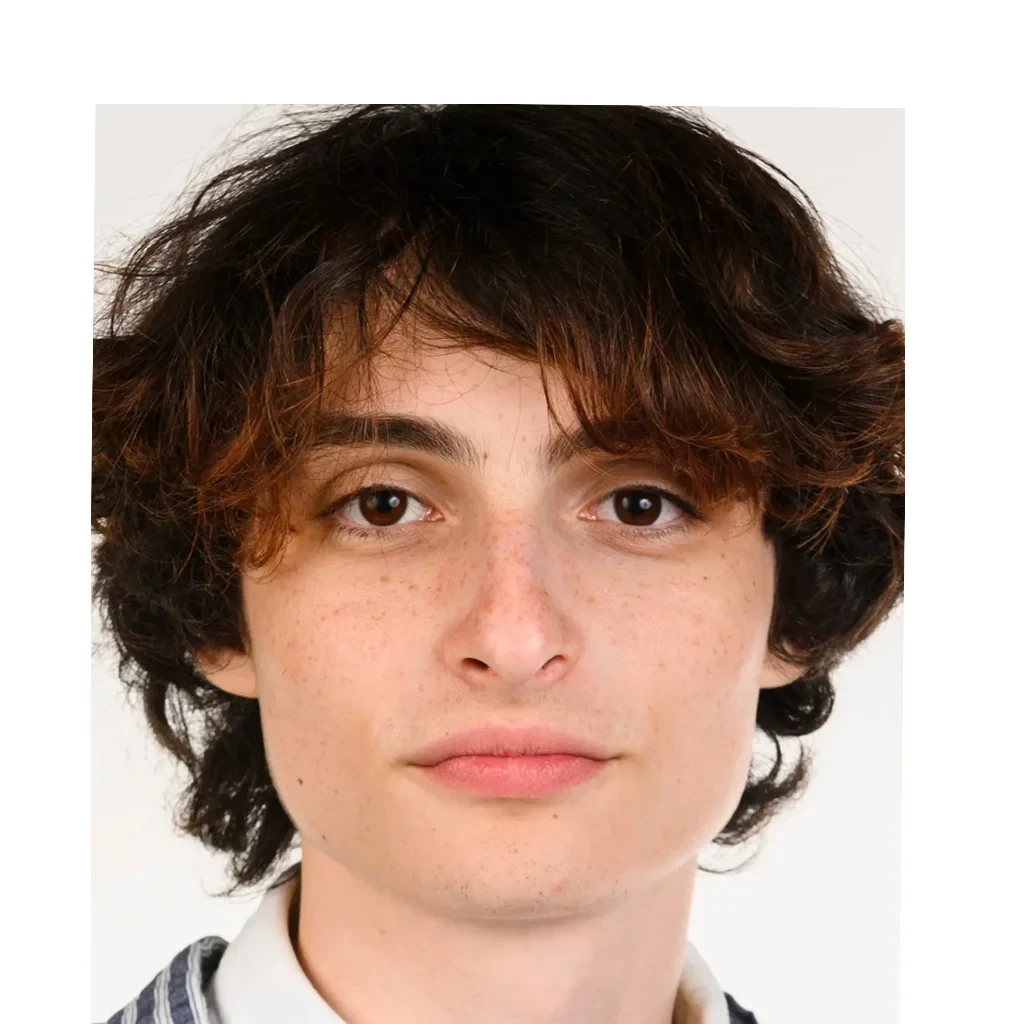
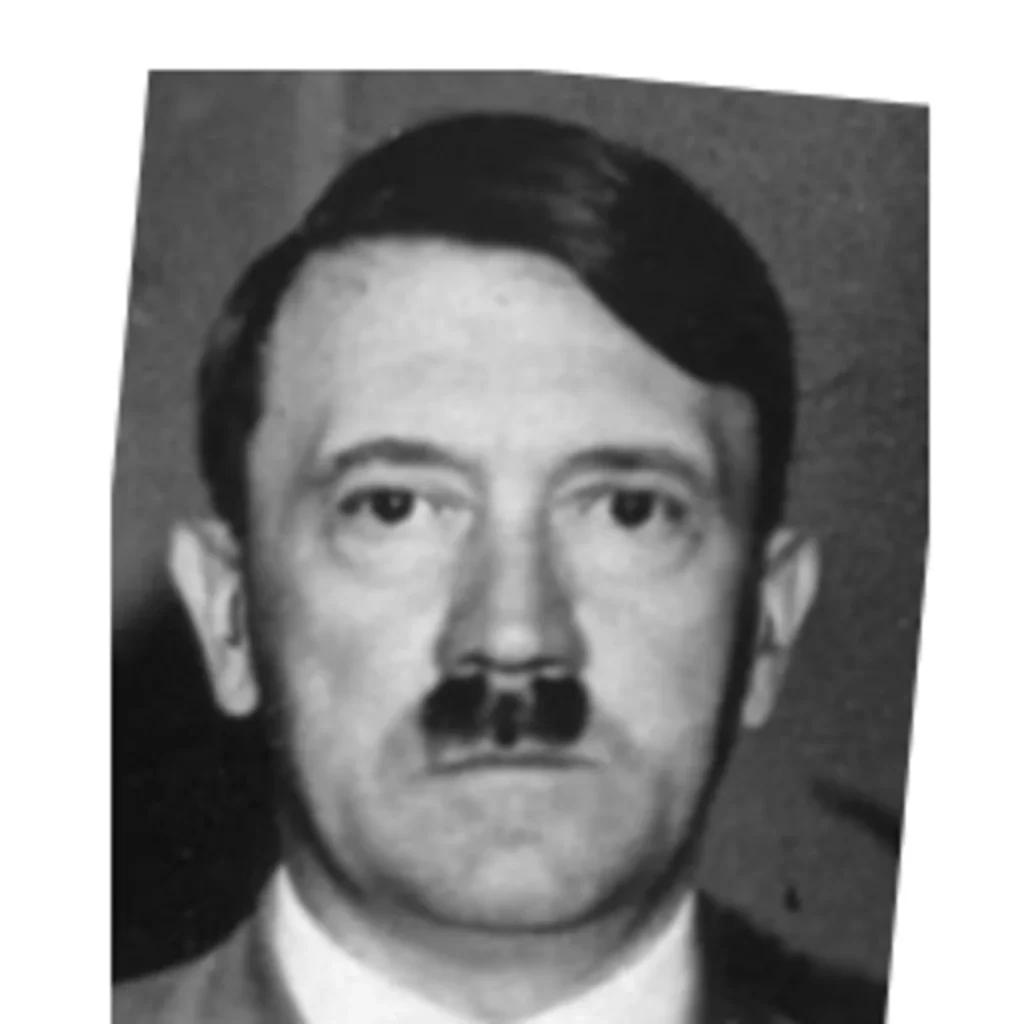
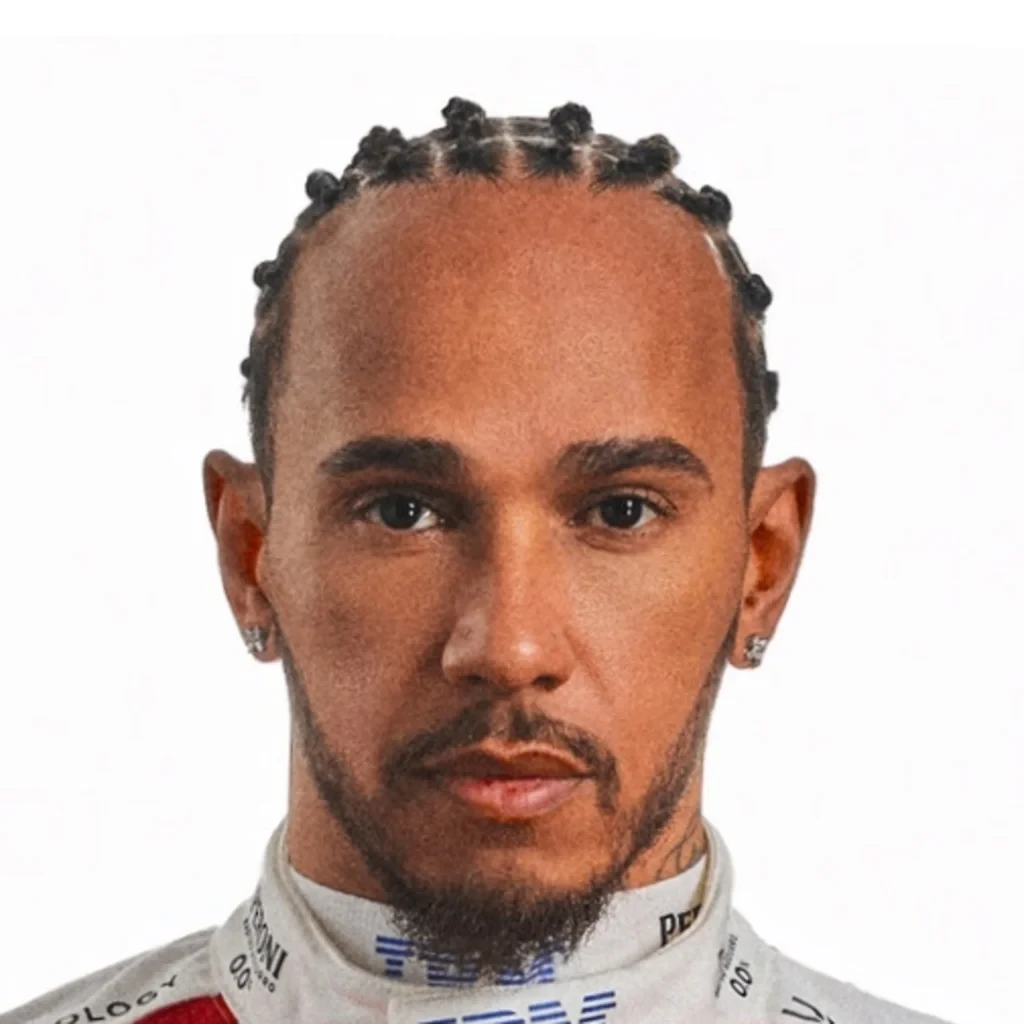
See how you compare
Get your own facial harmony analysis and see how your proportions stack up against the celebrity index.